Pick a lane that matches the questions you already hear
List the questions sales, support and search already send you. The best first videos are usually demonstrations, process explainers, comparisons, and honest answers to “how does this work?” or “what should I avoid?”. A cafe might show a method, a software firm might walk through a setup, a clinic might explain what happens in a first appointment, without making medical claims they cannot stand behind. Resist the urge to start with a glossy brand film that says little. Decide who the channel is for, what it will not cover, and what a viewer should do after a useful video: read a guide, view a product, or book a conversation. That lane will keep you from inventing random topics when inspiration is thin.
Plan for search as well as for subscribers
Many videos earn their life from people searching, sometimes months after you publish. Use titles and spoken openings that name the topic in ordinary language. The first 15 to 30 seconds should confirm the viewer is in the right place and preview the payoff. Thumbnails should be readable at a small size, with a face or an object that is actually in the video, and wording that does not clickbait. Chapters, an accurate description, and captions help both people and discovery. You can look at auto-complete and related videos for language, but let real customer questions lead. A smaller number of thorough videos usually beats a spray of short, vague updates that nobody would search for.

Keep production repeatable, not cinematic at all costs
A repeatable setup — the same corner, microphone, light, and intro pattern — will help you publish. Write a short outline rather than a stiff script if that helps you sound human, and always edit for pace: cut the rambling preamble, add captions, and show the thing you are talking about. End with one relevant next step, not a list of ten links. Batch recording days if you can. A video that is clear and specific will outperform a beautiful one that never answers the title. If you also publish short clips, cut them from the same session so YouTube shorts and other platforms support the long piece rather than becoming a separate, exhausting channel.
Connect the channel to the website and to sales
Each important video should have a home on a related service or guide page, and the video description should point to that page with a clear, honest line. Embeds should not autoplay loudly. If you use the channel to support sales, keep a short playlist for “start here” topics and send those links in proposals. Watch comments and the questions that appear mid-video; they are briefs for the next recording or for an FAQ on the site. Over time, this is how a channel becomes part of YouTube content systems rather than a collection of forgotten uploads.
Measure the useful numbers
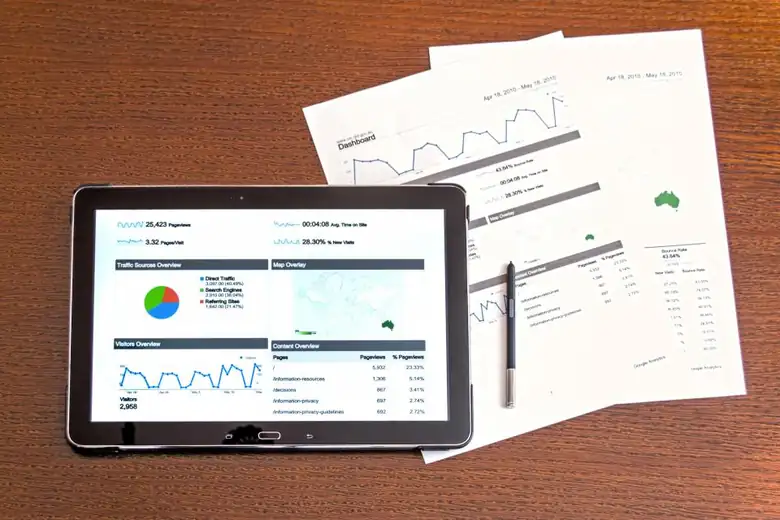
Look at how many people are finding the video from search, whether they stay long enough to get the point, and whether the related page or enquiry path is used. A modest view count on a high-intent tutorial can be more valuable than a large view count on a novelty clip. Do not chase a posting streak that wrecks quality. A sustainable cadence for a small business might be one solid video a month, or a short season of weekly videos followed by a break, as long as the library remains useful. Review titles and thumbnails on older videos that almost work; packaging is often the cheapest improvement.
Be careful with claims, music and faces
The same rules as other video apply, with a longer shelf life: licensed music only, permission from people on camera, and no invented results. If your sector is regulated, treat YouTube as a public, lasting statement. Correct errors in an annotation or a follow-up rather than hoping nobody notices. You do not need to fill every minute with a hard sell. Trust is built by being useful and accurate over a library of videos, and it is quickly spent by one careless claim that keeps circulating.
Who this guide is for: Small-business owners and marketers considering YouTube, or already uploading occasionally, who want a sustainable plan tied to real buyer questions.
A worked example
A specialist printer keeps being asked how to prepare files for a certain finish. They record a 12-minute walk-through with chapters, a clear title, captions, and a link to a one-page checklist on their site. They do not start a weekly show. Over the following months the video starts appearing for the same questions that used to clog the inbox, the checklist page gains traffic, and the sales team sends the video before quoting. A later video answers the next most common question, using the same desk and intro pattern, rather than a new visual identity each time.
Illustrative scenario, not a client case study.
Common mistakes to avoid
- Uploading with a vague title and no packagingA useful video called “March update” is almost hidden from the people who would benefit.
- Starting a daily schedule you cannot keepA quiet, useful library beats a burst of uploads followed by six months of silence and an unresolved promise to subscribers.
- Treating YouTube as a dumping ground for unedited webinars onlyLong recordings can work if they are well chaptered and clearly titled, but many need an edited, tighter version to be watchable.
Checklist
- List customer questions and choose a lane the channel will be known for.
- Write titles and openings that name the topic, and design a readable thumbnail.
- Use a repeatable recording setup and edit for pace, captions and one next step.
- Embed or link each important video on the relevant website page.
- Review search traffic, retention and enquiries, and improve packaging on near-miss videos.
Questions about this topic
Do we need to show our face?
No, but a recognisable presenter can help trust. Screen recordings, demonstrations and animations can work if the teaching is clear. Choose the format you can repeat.
How long should the videos be?
Long enough to answer the title properly. Some topics need five minutes; some need twenty with chapters. Watch retention and comments, and do not pad.
Should we post Shorts as well?
Shorts can help discovery if they are genuine hooks or useful fragments that lead to a longer video or a page. They become a burden if they are a second, unrelated channel you cannot staff.
Is it too late to start a channel now?
No. A focused library of useful videos still has a place, especially in niches where buyers search for explanations. You are late only if you expected overnight scale with a handful of vague uploads.
Can we just put ads on other people’s videos instead?
You can run YouTube ads without a big library, but you still need a clear message and a landing page. A modest channel of your own often supports both organic discovery and better ad creative. Many teams eventually do both.
We help teams build this as YouTube content systems, with video editing and content strategy so each film has a page to live on. If you later want to advertise those videos, YouTube ads can use the same library rather than a separate, untested idea.
Explore our Content Strategy service .