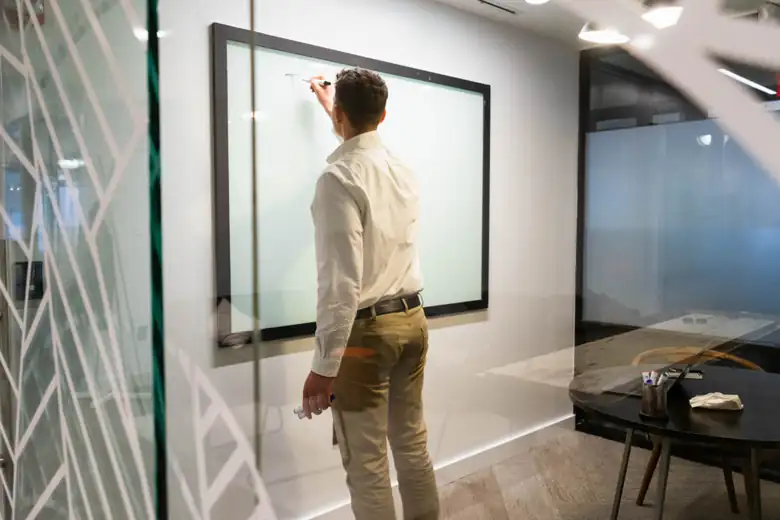
Research plan
Questions, methods, participants and timeline.
UI/UX design
Building the wrong thing is the most expensive mistake in product and website work. UX research finds out what users need before you spend on design and code.

UI/UX design
Written plan within one to two business days
UI/UX design

Teams often design based on assumptions: what the founder thinks customers want, what a competitor did or what the loudest stakeholder prefers. Research replaces those assumptions with evidence from real users, often in only a few weeks.
Depending on your question, we run user interviews, short surveys, analytics and search data review, support ticket analysis and competitor benchmarking. Findings are turned into practical outputs: key user needs, jobs to be done, journey maps showing pain points and simple personas based on real behaviour rather than invented demographics.
Every finding comes with recommendations for design or product decisions. Research usually leads into information architecture and wireframes & prototypes.
Questions, methods, participants and timeline.
Recruited, run and recorded with consent.
Needs, pain points and patterns with quotes.
Where to focus design and product effort.
Working together
Your team makes product and design decisions based on evidence. You know the main user needs and pain points, and the roadmap focuses on what matters most to users.
Agree the decisions research must inform.
Find users or prospects to talk to.
Run interviews, surveys and data review.
Present findings and next steps.
Research is most valuable before roadmaps and designs are fixed. We agree the decisions the research must inform at the start, so findings arrive in time to change direction.
Surveys show what people say, not why they struggle. We combine interviews, analytics and observation, using surveys to measure how widespread a finding is rather than to discover it.
Insights fade when they are shared once and forgotten. We turn them into personas, journey maps or problem statements your team can reference, and link each finding to a recommended action.
We work in your accounts where possible, so everything stays in your name.
Option 1
Six to eight interviews.
Option 2
Interviews, survey and data review.
Option 3
Monthly research sessions.
Budget & timing
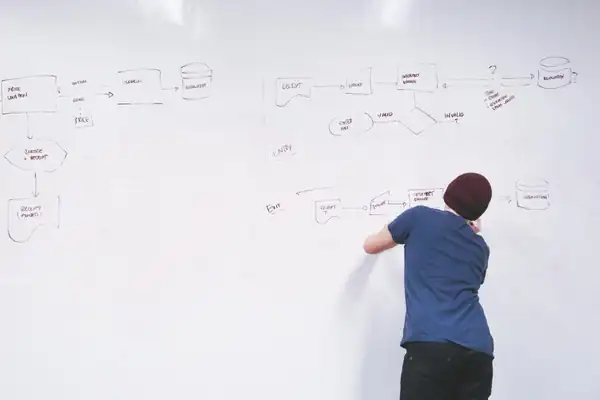
Typical timeline: Two to four weeks, depending on recruitment.
Want a rough number first? Try the project cost calculator.
Five to eight per user group usually reveal the main patterns.
Yes, from your customers or through recruitment panels.
A light version, such as five interviews, often saves far more than it costs.
Yes, with participant consent, along with notes and highlights.
Yes, through recruited participants who use competing products.
A short report, highlight clips and a presentation.
Where it fits
UX research fits teams making product or website decisions based on assumptions, internal opinions or competitor copying. It uses interviews, surveys, analytics and observation to understand user needs, motivations and pain points, earlier and more broadly than usability testing, which checks a specific design.
Research informs information architecture, wireframes and product roadmaps. It is often followed by usability testing once designs exist, and its findings help marketing too, because the language users choose often becomes the best website copy and ad messaging.
Most research projects take three to five weeks and end with a short report, highlight clips and recommendations linked to specific product decisions.

Design & commerce

Design & commerce

Design & commerce

Design & commerce

Design & commerce

Design & commerce
Book a 30-minute founder call and get a short written plan afterwards.