Stopping tests too early
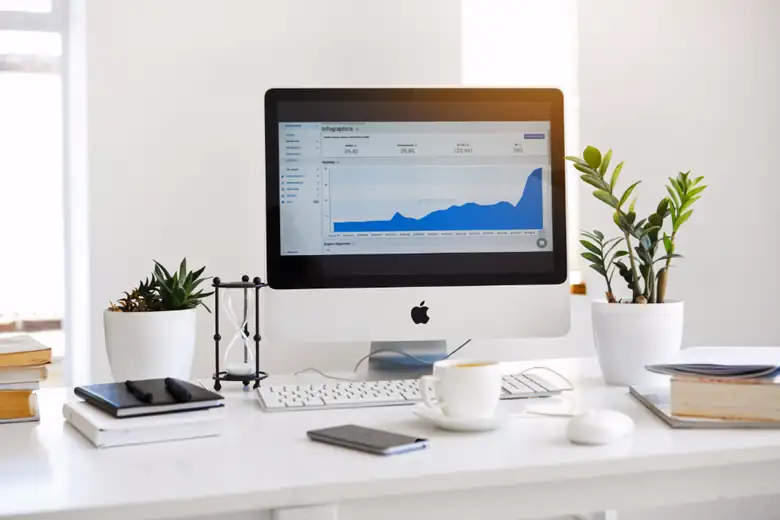
Early winners often disappear with more data. We calculate sample sizes and run tests for full weeks.
CRO, analytics & reporting
A/B testing replaces opinions with evidence. But badly run tests produce confident wrong answers, so the process matters as much as the idea.

CRO, analytics & reporting
Written plan within one to two business days
CRO, analytics & reporting

Most failed A/B tests share the same problems: changes based on guesses, tests stopped as soon as one version looks better, too little traffic to reach a reliable result, or several things changed at once so nobody knows what made the difference.
We start with research: analytics, heatmaps, session recordings and customer feedback, to find where people struggle. Each test has a written hypothesis, a primary metric and a minimum sample size calculated before launch. We build variants carefully, check them on every device and run them for full weeks to avoid weekday effects.
Results are written up whether they win or lose, because a losing test still teaches you something about customers. If your traffic is too low for testing, we will say so and recommend funnel & behaviour analysis and best-practice fixes instead.
Early winners often disappear with more data. We calculate sample sizes and run tests for full weeks.
Random tests produce random learning. Every test starts from a clear reason and expected outcome.
Working together
Tests are planned, run long enough and analysed honestly. You build a library of what works for your customers, and winners are rolled out with confidence.
Analytics, heatmaps, recordings and surveys.
Rank ideas and calculate sample sizes.
Build, QA and launch tests for full cycles.
Analyse, document and roll out winners.
Where and why visitors drop off, with evidence.
Prioritised hypotheses by impact, confidence and effort.
Variants tested across browsers and devices.
Results, confidence and what to do next for every test.
Option 1
Traffic, tracking and test ideas.
Option 2
One to two tests per month.
Option 3
Multi-page and personalisation tests.
Budget & timing
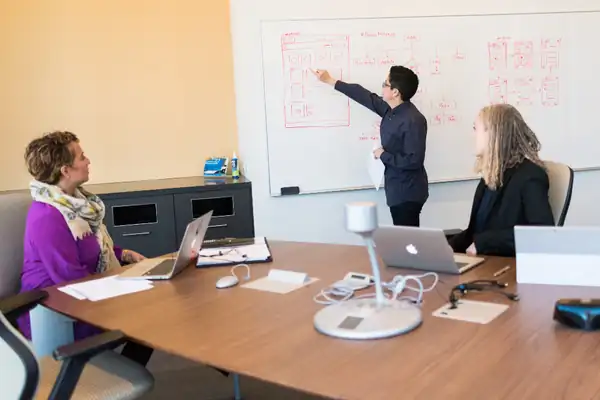
Typical timeline: Research in two weeks; most tests run two to four weeks each.
Tools we often use:
Want a rough number first? Try the project cost calculator.
| Monthly conversions on the page | Testing approach |
|---|---|
| Under 100 | Usually too few; use research and best-practice fixes |
| 100–500 | Test bold changes on high-traffic pages only |
| 500+ | Regular testing programme with smaller refinements |
Until it reaches its planned sample size, and at least one or two full weeks.
Yes, with tools that support Shopify themes and checkout limits.
Not if it is set up correctly and tests do not run indefinitely.
We document what we learned and use it to shape the next test.
VWO, Convert or Optimizely for most; Google Optimize has been discontinued.
Carefully, and with clear ethics around customer fairness.
Where it fits
A/B testing suits sites with enough traffic and conversions to reach reliable results, where the team wants evidence before rolling out changes. It differs from broader conversion optimisation by focusing on controlled experiments rather than research and redesign.
Testing follows funnel analysis, which finds where to test, and depends on clean tracking so results can be trusted.
Before a first test we agree the primary metric, the minimum sample size and how long the test must run, so nobody is tempted to stop early when a variant looks good after two days.

Growth & visibility

Growth & visibility

Growth & visibility
Growth & visibility
Growth & visibility

Growth & visibility
Book a 30-minute founder call and get a short written plan afterwards.