Redesigning on taste alone
A new look does not guarantee more sales. We base changes on analytics, recordings and customer feedback.
E-commerce
A store redesign should make it easier to buy, not just look newer. We redesign around the moments where your shoppers hesitate and leave.
E-commerce
Written plan within one to two business days
E-commerce

Store redesigns often start with taste: the theme feels dated or a competitor looks sharper. That is a valid reason, but the biggest wins come from fixing friction. Shoppers who cannot find sizes, delivery costs or return policies quickly will leave regardless of how modern the design is.
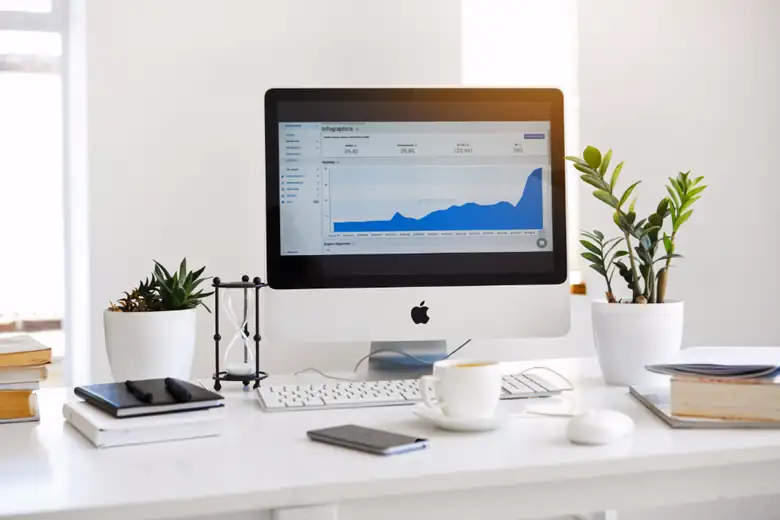
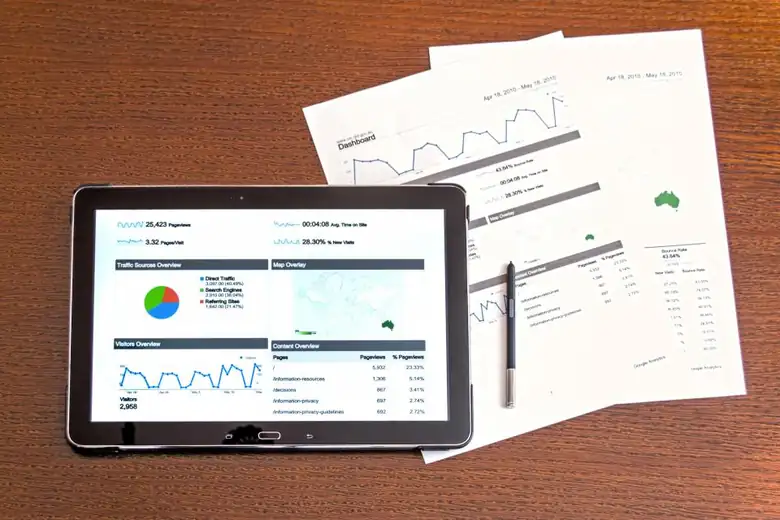
We begin with your data: funnel reports, top landing pages, search terms used on site, device split and, where possible, session recordings. Then we review product pages, collections, cart and checkout on a phone, and talk to whoever answers customer questions. The redesign prioritises the fixes with the largest expected impact.
Changes are rolled out carefully, sometimes in stages with A/B tests on high-traffic templates, so you can see what worked. We redesign Shopify, WooCommerce and other platforms without changing platform unless it is genuinely necessary.
A new look does not guarantee more sales. We base changes on analytics, recordings and customer feedback.
Changed URLs without redirects lose traffic. We plan redirects and keep content that ranks.
Working together
After a conversion-focused redesign, more visitors find a product, understand it and complete checkout, especially on mobile. Average order value rises through sensible bundles and cross-sells, and support questions drop because product pages answer them.
Analytics, recordings, customer questions and mobile walkthroughs.
Rank fixes by impact and effort.
Update templates and content, test on devices.
Compare conversion and revenue per visitor after launch.
A prioritised list of friction points from data and hands-on testing.
Home, collection, product, cart and key content pages.
Clear delivery, returns, sizing and payment information where shoppers need it.
Funnel tracking and a before-and-after comparison.
Option 1
Analytics and UX review with a prioritised fix list.
Option 2
Home, collection, product and cart templates.
Option 3
New theme, navigation and merchandising.
Budget & timing

Typical timeline: Four to eight weeks, including research and staged rollout.
Tools we often use:
Want a rough number first? Try the project cost calculator.
Not if URLs, content and structure are preserved or redirected. We check this before launch.
Not always. Many stores improve significantly by fixing an existing theme.
We compare conversion rate, average order value and revenue per visitor over the same periods.
Yes. Product pages are often the best place to start.
We build on a duplicate theme and switch over at a quiet time, with redirects and tracking checked.
Conversion rate, add-to-cart rate and revenue per visitor before and after launch.
Where it fits
Choose a store redesign when the whole shopping experience feels dated or confusing and small fixes are no longer enough. Unlike checkout work, which focuses on the final steps, a redesign revisits navigation, collections, product pages, trust signals and mobile layout together, guided by your analytics.
Redesigns should be followed by A/B tests on the biggest pages and by SEO checks so organic traffic is protected. Many stores also refresh product photography and copy at the same time, because a new layout makes weak content more obvious.

Growth & visibility

Growth & visibility

Growth & visibility
Growth & visibility
Growth & visibility

Growth & visibility
Book a 30-minute founder call and get a short written plan afterwards.